The dark ring or speckling directly above your shower head is the most concentrated form of bathroom ceiling mold — and the hardest to permanently clean with a spray bottle.
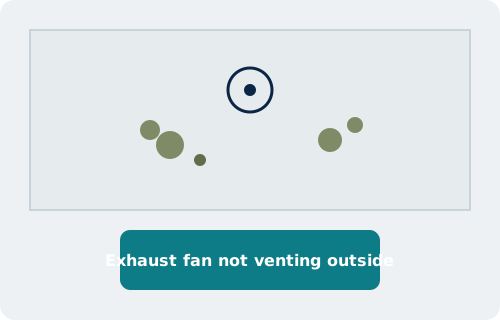
Steam rises in a fairly narrow column directly above the water source, which means the ceiling area right over a shower head or tub spout takes far more direct moisture exposure than ceiling drywall a few feet away over the sink or toilet. Add a poorly placed or undersized exhaust fan, and that zone can stay above the humidity threshold mold needs for hours after every shower.
We determine whether this is a surface treatment or a cut-out job before quoting anything, using a moisture meter on the surrounding drywall.
Sheeting isolates the space so spores from removal don't spread to the rest of the home.
Depending on severity, we either deep-clean and seal the surface, or cut back compromised drywall and replace it.
We check whether the fan is correctly sized and vented outside — this is the step that actually prevents the mold from reforming in the same spot.
Shower ceiling mold refers specifically to growth in the small zone of ceiling directly over the shower or tub enclosure, which takes direct steam contact and often has less airflow than the rest of the room. It's usually denser and darker than mold elsewhere on the same ceiling because it gets wet more often and dries out more slowly.
Consumer sprays can kill surface mold on painted, non-porous ceiling paint if the area is small and the growth hasn't penetrated the drywall paper. Once you see repeated regrowth, staining that won't scrub off, or any softness in the ceiling, the mold has moved past what a spray can reach.
Yes, particularly when the ceiling drywall is saturated and there's insulation directly above it. Moisture and spores can migrate upward through the same paper facing and into attic insulation, which is one reason we check above the ceiling cavity, not just the visible surface.
 Fort Pierce Mold & Restoration